Tree Pruning in Staines
If you are looking for tree pruning in Staines, you are probably trying to solve a very practical problem: a tree that has become too large, too dense, too close to a building, or simply no longer suits the space it grows in. Local tree pruning is about more than appearance. Done properly, it helps manage light, support healthier growth, reduce risk, and make a property feel safer and more usable again.
In Staines, trees grow in all kinds of settings: compact front gardens, larger suburban plots, shared access drives, riverside properties, commercial forecourts, and older streets where space is often tight. That means the right pruning approach depends on the tree, the season, the species, the property layout, and what the customer wants to achieve. A thoughtful pruning service can improve shape, remove weak growth, and help trees fit better around homes, outbuildings, pathways, parking spaces, and neighbouring land.
This page is designed for local customers who want a reliable, practical service and clear information before booking. Whether you need a one-off crown reduction, regular maintenance for ornamental trees, or careful work on mature trees near boundaries, a local team can help assess the tree and recommend the right approach. If you need advice or want to request a free quote, read on to see how the service works and what to expect.
Why tree pruning matters for Staines properties
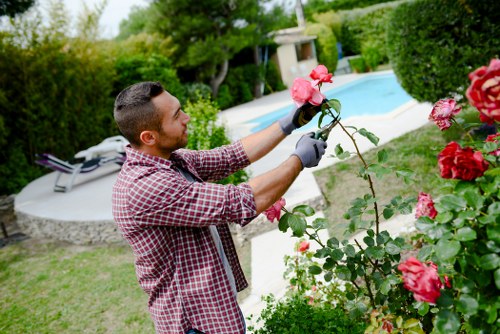
Tree pruning is often the difference between a tree that feels unmanaged and a tree that sits comfortably within the landscape. In Staines, where many homes have established gardens, boundary hedges, mixed planting, and mature trees close to fences or garages, pruning helps keep growth under control without removing the character that trees add to a property.
There are several reasons local property owners ask for pruning. Some want more sunlight in a garden or conservatory. Others need branches lifted away from roofs, gutters, windows, or satellite equipment. In some cases, a tree may be touching a shared boundary, interfering with a driveway, or dropping too much shade over a lawn or planting bed. For commercial sites, pruning can improve visibility, maintain a tidy appearance, and keep access routes clear for staff and visitors.
Good pruning also supports the tree itself. By removing crossing, dead, diseased, or poorly attached branches, the canopy can develop more evenly. The result is often a healthier tree with a better structure and lower risk of future damage. This is particularly important after stormy weather, when branches may have shifted, split, or become unstable.
What tree pruning can achieve

Different trees and different sites call for different forms of pruning. A trained tree surgeon does not simply cut wherever it seems convenient. Instead, the work is planned around the species, the age of the tree, and the effect the customer wants to achieve. That might be a subtle tidy-up, a larger reduction, or a more technical structural improvement.
Common outcomes include reducing overextended limbs, thinning dense growth to allow light through, lifting the crown to create clearance below, and removing damaged or dead wood. Where needed, pruning can also help shape young trees so they develop a stronger framework in future years. In tighter residential streets around Staines, this can make a big difference to how a garden feels and how usable the outside space becomes.
For many customers, the goal is balance. They want the tree to remain healthy and attractive while being more manageable around the property. Tree pruning in Staines should therefore be done with restraint and judgement, not as a heavy-handed cut. That approach helps preserve the natural shape of the tree and reduces the chance of stress, weak regrowth, or unnecessary future work.
Types of pruning services available

Pruning can mean several different things, and the right method depends on the condition of the tree and the outcome you want. A local tree team can explain which approach is suitable after an inspection. Below are the most common pruning services requested by customers in and around Staines.
Crown reduction
Crown reduction reduces the overall size of the tree canopy while keeping its natural outline as much as possible. This may be appropriate where a tree has become too large for the space, is interfering with nearby structures, or is casting excessive shade. It is often preferred over more severe cutting because it aims to retain the tree’s appearance and health.
Crown thinning
Crown thinning removes selected branches within the canopy to let more light and air pass through. It can be useful when a tree feels overly dense or catches too much wind. Thinning is especially valuable on sites where airflow matters, such as gardens with damp borders or commercial areas where a lighter, more open canopy is desirable.
Crown lifting
Crown lifting raises the lower edge of the canopy by removing low branches. This improves clearance over driveways, footpaths, lawns, and access routes. In places like Staines where parking and pedestrian access can already be limited, lifting can make a tree more practical without removing it.
Deadwood removal
Deadwood removal involves taking out dead, dying, or broken branches. It improves safety and can reduce the chance of falling debris, particularly over gardens, car parks, roadsides, and communal areas. It also helps the tree look tidier and easier to manage.
How a local pruning service works
When customers book pruning, they usually want a clear process and minimal disruption. A professional local team will usually begin with an inspection to understand the tree, the space around it, and any concerns you have. From there, the work can be planned around access, nearby structures, and the best time to carry it out.
On the day, the team will arrive with the right equipment for the size and location of the tree. That might include climbing gear, ladders, rope systems, cutting tools, and protective equipment. In some cases, a vehicle and chipper may need careful positioning because parking can be tight on residential roads in and around Staines, especially near busier streets or shared access points. A local crew is more likely to understand those practical issues and work around them efficiently.
Once the pruning is complete, branches and arisings are usually cleared away so the area is left tidy. Depending on the scope of work, customers may also ask for the timber to be processed or removed. A good service should leave you with a tree that looks intentional, cleaner access around the property, and a better sense of how the tree now sits in its surroundings.
What is usually included in tree pruning

It helps to know what is typically included so you can compare services fairly and understand what you are booking. While each job is different, a well-run pruning service normally includes a combination of assessment, skilled cutting, safety controls, and tidy-up.
- Initial inspection of the tree and surrounding area
- Advice on the most suitable pruning method
- Selective cutting to improve shape, structure, or clearance
- Removal of dead, damaged, or crossing branches where required
- Safe working around buildings, fences, lawns, and access routes
- Collection and clearing of branches and debris
- Optional guidance on future maintenance
Depending on the tree and site, the service may also involve extra care around protected trees, boundary issues, or trees growing near overhead lines or shared spaces. If there is any uncertainty, a local tree specialist can explain what can be done and what may need further checks before work starts.
Why local knowledge matters in Staines
Not all tree work is the same, and local knowledge makes a real difference. Staines includes a variety of property types, from older houses with established gardens to newer developments with compact plots and shared access arrangements. There are also riverside locations, commercial premises, schools, care settings, and mixed-use areas where timing and access matter just as much as the pruning itself.
A local team understands the day-to-day realities of working in the area. That includes narrow drives, limited roadside parking, restricted turning space, and the need to keep disturbance down for neighbours or nearby businesses. It also helps when the crew is familiar with common local tree species and how they respond to seasonal pruning.
Tree pruning in Staines is not just about cutting branches. It is about knowing how to work neatly and safely in a built-up environment. That is why many customers prefer a local company that can provide a practical assessment, explain the options in plain language, and schedule the work around the realities of the site.
Residential tree pruning for homes and gardens
Homeowners often contact a pruning service for reasons that are both visual and practical. A tree may be blocking daylight into the kitchen, shedding branches over a patio, or spreading into a neighbour’s boundary. In some gardens, the issue is simply that a mature tree has outgrown its setting and now needs careful reduction to remain comfortable in the space.
For family homes, pruning can also improve everyday usability. It can create more room for children to play, open up a seating area, reduce leaf build-up in gutters, and make driveways easier to use. In some cases, pruning can also help residents feel more secure by improving visibility and reducing dark, enclosed areas near the property.
Garden trees often need a careful touch. Many customers in Staines value the look and privacy that trees provide, so the aim is usually to retain the benefits while managing the parts that have become inconvenient. A local arborist can help preserve that balance, especially when the tree is close to a lawn, paving, decking, or planted borders.
Tree pruning for commercial and shared sites
Commercial customers also need reliable pruning services, especially where tree growth affects access, appearance, or safety. Business premises in and around Staines may need regular maintenance to keep entrances clear, maintain a professional image, and avoid branches obstructing signs, windows, lighting, or customer routes.
Shared sites, such as managed developments, communal gardens, office parks, retail areas, and school grounds, benefit from pruning that is planned carefully and completed with minimal disruption. Timing may need to avoid opening hours, deliveries, public use, or vulnerable areas. A professional team will usually take this into account and work methodically so the site remains usable.
For commercial and communal customers, the service is often about consistency. Regular attention can prevent trees from becoming overgrown and reduce the chance of larger, more disruptive work later. It also supports a tidy, well-managed appearance that reflects positively on the property.
Signs your tree may need pruning
Many people wait until a tree looks obviously out of control, but there are earlier signs that pruning may be sensible. Acting sooner can often mean lighter work and better long-term results. If you notice any of the following, it may be time to get the tree inspected.
- Branches are touching the house, roof, or gutters
- The canopy is blocking too much light from the garden or rooms
- Low branches make it hard to walk, park, or mow safely
- Dead, broken, or hanging branches are visible
- The tree looks unbalanced or too heavy on one side
- Branches are crossing, rubbing, or growing in awkward directions
- The tree is starting to interfere with neighbouring boundaries
- There has been recent storm damage or split limbs
If any of these apply, it is better to have the tree checked rather than leaving it until the issue becomes more serious. A timely pruning visit can be a cost-effective way to manage the tree before the problem grows.
Safety, access, and property care
Pruning should always be carried out with safety in mind. Trees can be unpredictable if cuts are made in the wrong place or if work is done without proper planning. That is why a trained tree surgeon uses the right equipment, understands branch weight and movement, and works carefully near homes, vehicles, and public spaces.
Access is another important part of the job. In Staines, some properties have narrow side passages, limited front garden space, or no obvious place for equipment and waste to be stored during the work. Good planning helps avoid unnecessary disruption to neighbours, driveways, and shared entrances. If there are awkward access points, a local crew can usually assess how best to manage the work before the visit.
Protecting the surrounding property matters too. The team should aim to avoid damage to fences, sheds, paving, flower beds, lawns, and parked vehicles. A careful approach gives customers confidence that the tree can be improved without creating avoidable mess or inconvenience.
What affects pruning costs
Many customers want to understand what influences the price of tree pruning before asking for a quote. Exact costs vary because every tree and site is different, but the main factors are usually straightforward. Understanding them helps you compare services and see why some jobs are more involved than others.
- Tree size and height: Larger trees generally require more time, more equipment, and more complex access planning.
- Species and condition: Some trees respond better to certain pruning methods, while older or damaged trees may need extra care.
- Location on the property: A tree overhanging a roof, road, or shared boundary may take longer to work on safely.
- Access: Tight gardens, restricted parking, or awkward entry points can affect how the team sets up and completes the work.
- Extent of pruning: A light tidy-up is different from a crown reduction or major clearance job.
- Waste removal: Clearing, chipping, and removing arisings can affect the overall job setup.
When requesting a quote, it helps to describe the tree, share the location, and explain what you want to achieve. If possible, a site visit or clear photographs can help the team give more accurate advice.
How to prepare for tree pruning
Preparing for a pruning visit does not need to be difficult, but a little planning makes the job smoother. Customers often appreciate knowing what they can do in advance to help the team work efficiently and keep the site safe.
- Move cars away from the work area if possible
- Keep access gates, side passages, and driveways clear
- Remove fragile items from nearby patios, sheds, or windowsills
- Tell the team about any locked gates, shared access, or neighbour concerns
- Point out underground services, ponds, cables, or delicate planting if relevant
- Make sure pets and children are kept away from the work zone
It is also helpful to think in advance about the outcome you want. For example, do you want more light, a smaller canopy, a tidier shape, or better clearance? Clear expectations make it easier for the pruning work to match your needs.
Choosing the right approach for the tree
One of the biggest mistakes people make is asking for the tree to be cut back without considering the species or the likely response. Some trees tolerate pruning well, while others need a much lighter touch. A careful arborist will choose the method based on what supports the tree long term, not just what looks quickest.
For example, a mature ornamental tree in a front garden may need delicate shaping rather than a severe reduction. A broad-canopied tree near a driveway may benefit from lifting and thinning to create better access. A damaged tree after a storm may need selective removal of broken branches before any further shaping is considered.
That is why a site assessment is so important. It helps ensure the work is suited to the tree rather than forcing the tree to fit a one-size-fits-all solution. Customers who want a tidy, sensible result usually appreciate this more thoughtful approach.
Areas covered around Staines
Local pruning services are often requested not only in Staines itself but also in nearby neighbourhoods and surrounding places where similar property layouts and tree issues are common. Coverage can typically extend across nearby residential streets, estates, business areas, and riverside locations in the wider local area.
This is especially useful if you are comparing local providers and want someone who can arrive prepared for the type of access and tree work common in the area. Whether the job is in a private garden, a shared driveway, a commercial yard, or a managed outdoor space, the value of a local team is in knowing how to handle the practical side of the visit.
If you are unsure whether your property is within the service area, it is best to ask when requesting a quote. That way, you can confirm availability and explain the tree work needed before booking.
Frequently asked questions
How often should trees be pruned?
It depends on the species, age, and location of the tree. Some ornamental trees need light, regular pruning, while mature trees may only need attention every few years. A local assessment can help set a sensible maintenance schedule.
Can pruning damage a tree?
Yes, if it is done too heavily or at the wrong time. That is why pruning should be selective and carried out with an understanding of the tree’s growth pattern. Proper technique helps avoid unnecessary stress and supports recovery.
Is pruning the same as cutting a tree down?
No. Pruning improves the structure, shape, or clearance of a tree while keeping it standing. Removal is a separate service and is only necessary where the tree cannot or should not remain.
Do I need permission before pruning a tree?
Sometimes. If a tree is protected or in an area with specific controls, checks may be required before work begins. A professional tree team can advise on this during the initial discussion.
What if my tree is close to a neighbour’s boundary?
Boundary trees often need careful handling and clear communication. A local company can help assess what can be done safely and appropriately while respecting neighbouring property and access arrangements.
Can you prune trees near houses and garages?
Yes, but the method needs to suit the location. Trees close to buildings often require controlled cuts and careful handling of branches so the surrounding property stays protected.
Why choose a local company for tree pruning in Staines
There are good reasons many customers prefer a local provider rather than a team that travels in from far away. A local company is more likely to understand the area’s property styles, access limitations, and common tree issues. That can save time during planning and help the work go more smoothly on the day.
Local teams are also usually better placed to offer responsive service when you need advice quickly, whether you are dealing with storm damage, fast-growing branches, or a tree that is starting to affect a home or business. They know the practical realities of working around local roads, parking restrictions, and residential layouts.
Just as importantly, a local service tends to be more focused on building trust through clear communication and reliable workmanship. If you want your pruning carried out carefully and with minimal disruption, that local knowledge can make a real difference.
Book tree pruning in Staines with confidence
If your tree is overgrown, awkwardly placed, or in need of careful maintenance, it is worth getting it looked at sooner rather than later. The right pruning can restore balance, improve light, support safety, and make the property easier to enjoy again. For many customers, it is one of the simplest ways to manage a mature tree without removing it.
Whether you are a homeowner, landlord, facilities manager, or business owner, a professional local service can assess the tree and recommend a sensible next step. You do not need to know the technical details yourself. You just need clear advice, careful workmanship, and a team that understands local conditions.
Contact us today to discuss your tree pruning needs in Staines, ask for practical advice, or book your service now. If you are ready to improve the look and safety of your trees, a quote is the best place to start.
Quick summary of the benefits
Tree pruning in Staines can help manage size, shape, safety, and light levels while keeping your trees healthy and attractive. It is a practical choice for homes, gardens, commercial sites, and shared spaces where careful local work makes a visible difference.
Next step
If you would like a tailored recommendation, request a quote and explain the tree, the location, and the result you want. A local assessment can help determine the most suitable pruning approach for your property.
Book your service now if you are ready to get started.